Estimated reading time: 3 minutes
Feeding your bulls to achieve optimum fertility and longevity does not have to be a difficult task. A few basic principles can help you achieve this in your herd.
- Start adapting or preparing animals for shows in advance.
- Provide sufficient walking space, trough space, and shade.
- Provide clean, cool drinking water at approximately 40 ℓ/head/day. Water intake can be stimulated by adding small amounts of molasses to the water at auctions or shows.
- Remember that different breeds, genders, and ages can influence preparations.
- Diets must be adjusted to ensure that condition is maintained as soon as the required condition is achieved.
- Provide the same diet at the show or auction as the one used on the farm.
- Part of the grain component can be successfully replaced with molasses meal.
- Handle animals at shows and auctions in a way that will alleviate stress.
- Start planning early for auctions and shows. Consult your Molatek advisor to ensure that you start feeding at the right time.
- Gaining 2kg or more per day can be detrimental to a bull’s future fertility and soundness.
- Most cattle producers realise that overfattening is unhealthy for a bull, yet they still tend to buy the fattest, best-looking animals. In addition, many breeders keep overfeeding these animals because it is harder to sell a bull that is not carrying extra weight.
- Good evidence exists to show that if you feed bulls high-energy diets after weaning, the result is very rapid weight gain; however, you also create a lot of problems with excessive fat in the scrotum, reduced semen quality and, in some cases, a permanent reduction in the number of sperm produced. Other consequences include a higher risk for acidosis, laminitis, damaged claws and feet, liver abscesses, and the like.
- Breeders realise that a bull should be fed for a lifetime of breeding rather than a steer destined for slaughter. Production supplements fed on pasture help with scrotal development and semen quality.
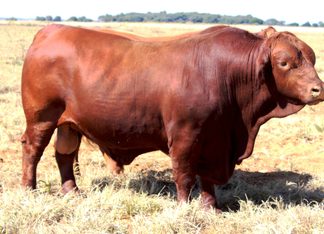
- Breeders and buyers realise that a bull should be muscular and fit, not fat.
- Young bulls should be raised or must grow over a period of five months or longer on pastures, with more exercise, and a growing diet instead of a feedlot finishing diet.
- The genetics we have today are also a factor; most of the cattle being bred now can grow well without as much feed. Feeding and management of young bulls is very important to ensure that they can remain sound and fertile.
- When finishing sale animals in a feedlot, use large pens and allow the bulls to get some exercise. Pens located on a slope ensure that bulls walk up and down for water and feed. Feed a complete diet that contains chopped hay, straw, or maize stover along with maize or chop and a beef protein concentrate.

– Dr Vlok Ferreira, technical executive, Molatek
For more information, contact Dr Vlok Ferreira on 082 464 4661 or email Vlok.Ferreira@rclfoods.com.