Estimated reading time: 4 minutes
The South African wildlife sector has welcomed a decision by minister of agriculture, Willie Aucamp, to halt the automatic culling of previously disease-free buffalo that test positive for foot-and-mouth disease (FMD). It is regarded as a major step towards finding practical solutions for the industry. The decision follows an urgent request from Wildlife Ranching South Africa (WRSA), who asked the National Department of Agriculture (DoA) to place a moratorium on the destruction of clinically healthy buffalo while alternative disease management measures are explored.
The minister subsequently confirmed that clause 10.4.1(b) of the Veterinary Procedural Notice for Buffalo Disease Risk Management of 2017, which provides for the destruction of infected buffalo and contact animals, will not be enforced until further notice. Affected properties will, however, remain subject to strict quarantine, movement controls, and traceability requirements.
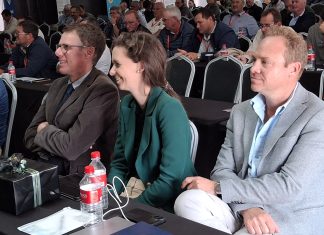
“This is a huge win for the wildlife industry, but more importantly it gives us the opportunity to work together and find practical solutions to the challenges that FMD has created,” said Richard York, CEO of WRSA. “We don’t want to point fingers at each other or blame one another. We want to work and find solutions.”
Revision of disease risk management notice
For York, the decision is not only about protecting valuable animals but also safeguarding an important agricultural and conservation industry. York said buffalo ranching operates under some of the strictest animal health regulations in the country. Animals must undergo extensive disease testing before being moved, making disease-free buffalo one of the most closely monitored wildlife species in South Africa.
According to WRSA, the circumstances under which the Veterinary Procedural Notice for Buffalo Disease Risk Management was developed have changed significantly since its introduction in 2017. At the time, protecting South Africa’s FMD-free zone without vaccination was a key consideration. However, with FMD outbreaks now reported across all nine provinces, the organisation believes a review of existing protocols is necessary.
York states that disease-free buffalo should not be blamed for the current outbreak. “Of the 2 000 odd disease outbreaks of FMD that have been recorded, not a single one is as a result of disease-free buffalo,” he said. “The private wildlife sector has not played a role in the spread of FMD.”
He added that the spread of the disease has been linked to the illicit movement of infected livestock and that disease-free buffalo herds are now increasingly at risk of infection from livestock outbreaks rather than the other way around. “It’s no longer the buffalo that are a threat to the livestock, but it is actually the other way around. Livestock have become a threat to disease-free buffalo,” York said.
Protecting South Africa’s buffalo industry
The financial stakes are substantial. WRSA represents owners of more than 3 250 registered disease-free buffalo ranches across the country and has warned that compulsory culling could result in major losses for producers and wildlife businesses. York said several properties maintain herds of hundreds of disease-free buffalo, representing years of investment in conservation, breeding, and biosecurity.
While he did not provide an industry-wide valuation, he described the sector as being worth billions. Beyond economics, WRSA has also highlighted the potential loss of valuable genetics. York said research on privately owned disease-free buffalo indicates significant genetic diversity within these populations, reinforcing their importance to conservation and breeding programmes.
The moratorium is, however, only the first step. The DoA has agreed to further discussions with WRSA and officials from the directorate of animal health to develop a practical framework for managing FMD risks in buffalo and other game animals. WRSA has proposed alternatives including ongoing monitoring through polymerase chain reaction and serological testing, lifelong traceability controls, and standardised risk assessments before any destruction order is considered.
Collaboration is needed
York said the wildlife industry wants to work with government and the livestock sector to find workable solutions rather than assign blame. Among the issues expected to feature in future discussions are ways to ensure that wildlife ranchers can continue trading while biosecurity risks are effectively managed. York said many game ranchers depend entirely on wildlife operations for their income and cannot afford indefinite trade restrictions.
While the immediate threat of large-scale buffalo culling has been removed, both the government and industry acknowledge that the broader challenge of FMD remains. “In conclusion, we need to be realistic. FMD is going to be here for a long time, and we need to work together to find solutions in resolving the challenges that it brings,” York said.
For more information, contact Richard York on 083 564 1839. – Nikilene Steenkamp, Plaas Media