
Estimated reading time: 4 minutes
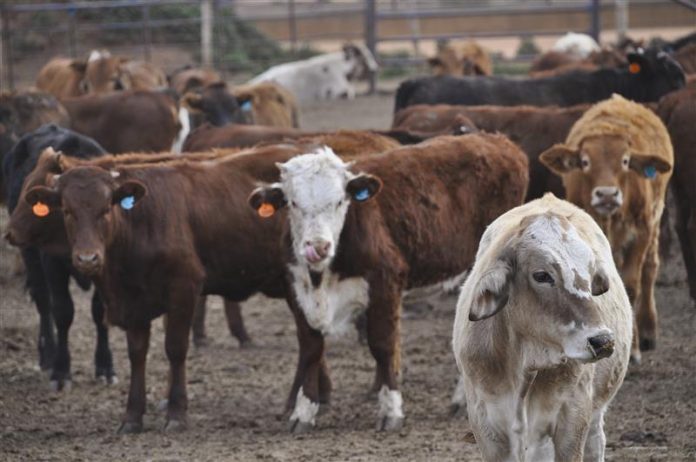
Feed prices are often linked to maize prices, which feedlots have no control over.
Some 75% of the beef produced in South Africa is finished in feedlots. Most of this beef originates from weaners or young cattle that are finished to produce Class A carcasses. To understand how weaner prices are determined, it is necessary to consider the market forces that influence them.
Like any commodity market, the weaner market is governed by the interaction between supply and demand. The supply curve represents producers offering weaners for sale, while the demand curve reflects buyers. Market prices are established at the point where supply and demand reach and equilibrium.
Prices remain at this level until a change occurs in either supply or demand, leading to a change in market conditions and, consequently, prices. This article examines the key factors that influence the supply and demand of weaners and, in turn, their prices.
The supply curve
Weaner producers are the potential sellers of weaners and represent the supply curve in the weaner market. In South Africa, weaner marketing varies with the seasons.
Read more about weaner calf marketing here.
In the summer rainfall regions, cows typically calve just before the annual rains. This timing ensures that green grass is available to meet the milk production requirements of cows and their calves. As a result, many calves reach weaning age between April and June and are subsequently marketed, allowing only for the cows to be carried through the winter. The increased supply during this period can lead to lower weaner prices.
Weather conditions also have a major impact on the South African weaner market. During drought years, for example, producers are often forced to buy feed, reduce cow herds, or sell replacement heifers. Once favourable weather returns, the shortage of female animals forces producers to retain more weaners to rebuild their herds.
In years with good rainfall and low maize prices, more producers – especially those with mixed farming operations – feed their own calves, resulting in fewer animals being marketed. At the time of writing, foot-and-mouth disease (FMD) had started causing mortalities among calves younger than age three months; however, older animals appeared to be more resilient. Mortalities among young calves at the time ranged from 5 to 20%.
With large parts of the country affected by the FMD outbreak, a lower supply of calves is expected due to these deaths.
Regarding the demand curve
The demand curve for weaners represents all potential buyers in the market. Key players are commercial feedlots, farm feedlots, and grain producers who purchase calves to utilise crop residues. Unique factors influence each participant’s demand, which in turn affects the demand for weaners.
Commercial feedlots purchase weaners, finish them, and sell their meat or carcasses. They add value by increasing the animals’ weight during the finishing period.
Feedlots’ greatest expense, aside from the calves they purchase, is feed. The price at which finished animals are sold, or the carcass price, is determined by the supply of and demand for carcasses. Feedlots must therefore balance expected earnings per finished animal against the cost of finishing that animal (calf and feed price). Feed prices are often linked to maize prices, which feedlots have no control over.
A negative correlation exists between weaner calf prices and maize prices: Demand for weaner calves tends to drop when maize prices rise and increases when maize prices drop. Changes in the carcass price also influence the price of weaners, with buyers willing to pay more when carcass prices are high.
Grain producers with limited livestock to consume their crop residues often purchase more weaners in years of abundant harvests. When maize prices are very low, some grain producers and those with mixed farms attempt to add value to their grain by feeding animals on the farm. This higher demand for weaners during such periods helps support weaner prices.
A final word
At first glance, the factors influencing weaner prices may seem straightforward. In reality, these factors operate simultaneously within the weaner market, making it challenging to predict price changes precisely. Nevertheless, understanding them helps explain how certain elements can affect prices. – Dr WA Lombard, Department of Agricultural Economics, University of the Free State
For more information, email the author at LombardWA@ufs.ac.za
