Estimated reading time: 3 minutes
The conflict in the Middle East continues to place growing pressure on South Africa’s agricultural sector through higher input costs, disrupted trade routes and increased logistical risks. This was emphasised during the Absa AgriTrends Media Breakfast on 14 April 2026.
Read the complete Absa AgriTrends report.
Fertiliser and fuel costs rise
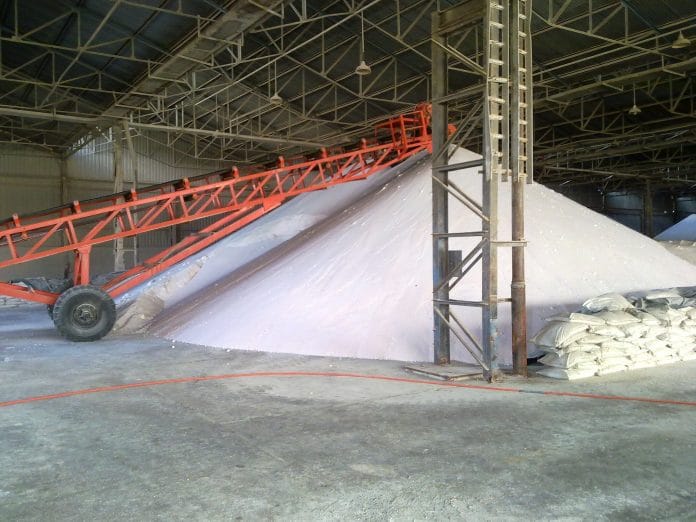
Loffie Brandt, sector executive for agriculture at Absa AgriBusiness, noted that rising cost pressures present the most immediate challenge. Fertiliser prices, particularly urea, have climbed to their highest levels in several years, trading above US$650 by early April, with further increases expected across other fertiliser products.
Brandt cautions that producers who have not yet secured fertiliser supplies are likely to face both higher prices and limited availability as global supply chains remain under strain. Fuel costs have also risen sharply, with petrol and diesel prices increasing by approximately 15% and 40% per litre month‑on‑month in April. These increases come at a critical time, as fuel usage typically peaks during planting and harvesting seasons. Elevated fuel prices further contribute to inflationary pressure across the economy and could postpone expected interest‑rate cuts.
Margins and logistics under pressure
While producer margins may narrow in the short term, higher freight and fuel costs are expected to filter through to final consumer prices. Producers will therefore need to adjust their operations to manage changing cost structures while maintaining product quality and reliable supply.
Logistical challenges further increase costs and risks for South African exporters. Higher freight charges, driven by increased bunker fuel surcharges, route‑specific additional fees and limited vessel availability, are extending transit times. These delays raise the risk of fresh produce arriving in poor condition and missing key market windows. Redirecting shipments to alternative markets may also result in lower returns for producers.
These findings are drawn from the Autumn edition of the Absa AgriTrends Report, now in its fifth year, which supports more informed decision‑making across the agricultural value chain.
Market outlook and export opportunities
Although demand for South African produce in the Middle East remains steady, exporters are advised to prepare for heightened volatility should the conflict persist. Close monitoring of oil prices, shipping conditions and currency movements will remain essential.
Despite these pressures, the local agricultural sector has consistently shown resilience and adaptability. Opportunities still exist, particularly for citrus exporters. According to Brandt, strong European demand, coupled with duty‑free US market access for oranges and reduced Northern Hemisphere supply, should support prices.
The apple and pear harvest seasons are also progressing well. Late‑season pears are typically harvested until April, with apples continuing into May. Given that apples can be stored for four to six months and pears for two to four months, producers may benefit from delaying exports until market conditions improve.
Impact on consumers and households
For South African households, rising food prices are likely to be one of the most immediate consequences of the conflict.
Read more about insurance and risk management.
“Higher oil and diesel prices have a ripple effect on the food supply chain as it impacts operational costs related to farm machinery, fertiliser production, transport, cold storage and ultimately prices on supermarket shelves,” says Brandt.
For consumers, this means a steady erosion of purchasing power as the cost of staples climbs.
As the cost of basic food items rises, consumer purchasing power continues to erode. Lower‑income households, which already allocate a significant share of their income to food, are expected to feel the impact most severely. This may force difficult choices, such as reducing protein consumption or cutting back on other essentials, effectively turning food inflation into a disproportionate burden on the most vulnerable. – Media release by Absa Group Limited, reworked by Plaas Media
For more information, contact Ingé Lamprecht at 082 885 4128/inge.lamprecht@absa.africa, or Rania Hasanen on 071 557 3709/rania.hasanen@absa.africa