Estimated reading time: 5 minutes
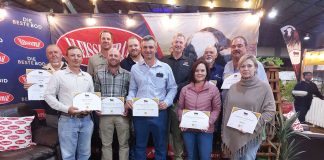
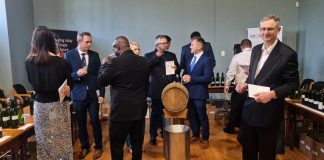
The newly launched AF4RICA Lab aims to bridge the gap between scientific research and practical application through analytical services focused on forage, fodder, feed and food. These are the four F’s of AF4RICA, according to Prof Wayne Truter, founder and specialist advisor of AF4RICA Lab. During their recent open day held near Pretoria, Life AgriScience welcomed researchers, industry representatives, and Plaas Media to explore the facility and view their applied research projects firsthand.
“Many innovators have technology and a solution, but they don’t have the runway to actually commercialise it. Commercialising a product involves financing, networking and manufacturing, which many innovators don’t have at their disposal. We essentially create the runway that allows that product to become viable,” said Dr Philip Ayres, sustainability and innovation executive at Life Green Group and managing director of Life AgriScience.
Turning agricultural research into solutions
A major takeaway from the open day was the growing need to better integrate agriculture and mining, particularly as rehabilitated land returns to productive use. “In the last 28 years that we’ve been doing research in both of these sectors, we have seen a huge need for the two sectors to work together,” said Prof Truter.
One of the highlights of the open day was the opportunity to see these experiments first-hand. The practical demonstrations reinforced the concepts discussed and illustrated how scientific research translates into measurable outcomes.


Prof Truter explained that AF4RICA Lab was established during the Covid-19 pandemic when access to laboratory services became difficult, and researchers struggled to process samples required for ongoing projects. What began as a solution to support research projects evolved into a specialist laboratory serving the agricultural, environmental management, and rehabilitation sectors. During guided tours, visitors were introduced to equipment used for fibre analysis, moisture determination, ash content analysis, and digestibility testing.
Laboratory staff demonstrated how digestibility assessments are used to determine the amount of fodder material that can be utilised by livestock. The facility also uses rapid analytical technologies calibrated against traditional laboratory methods, enabling samples to be processed efficiently and maintain accuracy. The demonstrations provided insight into how laboratory data can support decision-making in livestock production systems and feed management programmes.


“You can have a lot of products, but if the quality is poor, it is going to cost you. That is why it is so important that we measure quality,” said Prof Truter. He emphasised that laboratory analysis is not only about measuring production, but also about understanding quality.
Using research and collaboration to drive decisions
The open day showcased research extending far beyond feed and forage analysis. Visitors viewed projects examining the use of various substrates to filter mine-affected water, including biochar-based treatments and other organic materials. The researchers explained that the work contributes to understanding how different materials perform under controlled conditions and how this knowledge could inform rehabilitation and water treatment strategies.
Prof Truter noted that many rehabilitated mining areas eventually return to grazing systems; hence there is a need to understand how forage quality, soil conditions, and environmental factors influence future agricultural productivity. The challenge, he said, is not merely restoring vegetation cover, but ensuring that the land can sustain future agricultural use.
Additional research areas discussed during the day included biochar development, bio-based polymers, environmental rehabilitation projects, and technology development to support sustainable land-use practices.
“At the end of the day, we focus on bridging the gap in the various sectors between different role-players from an applied point of view,” said Dr Ayres. Although AF4RICA Lab is a newly established facility, the open day demonstrated ambitions that extend beyond traditional laboratory services. Through analytical testing, applied research, and collaboration with industry and research partners, the facility aims to support improved decision-making in agriculture, environmental management, and the rehabilitation of mining landscapes. – Nikilene Steenkamp, Plaas Media